
Which? Trusted Trader

As the colder months approach, keeping your home warm and comfortable becomes a priority.
However, if your property is losing heat through poorly insulated walls, roofs, doors or windows, maintaining a comfortable temperature can become more difficult and put additional pressure on your heating system.
Fortunately, there are several ways to improve heat retention and make your home feel warmer throughout winter.
Identify and Reduce Window Draughts
Windows are one of the areas worth checking when trying to prevent heat loss. Older frames, damaged seals and poorly fitted windows can allow cold air to enter, making rooms feel chilly even when the heating is running.
On a cold or windy day, check around your window frames for noticeable draughts. Small gaps may be improved with suitable draught-proofing products, while worn seals or windows that no longer close properly may require professional attention.
You can also make better use of your curtains. Closing them in the evening helps create another barrier between your living space and the cold glass. During the day, open them to let natural sunlight warm your rooms, remembering to keep curtains clear of radiators so heat can circulate freely.
It is also worth looking out for condensation between window panes. This can indicate that the sealed glass unit has failed, potentially reducing the window’s thermal performance.
Make the Most of Your Heating System
An efficient heating system is important during winter, but how you use it can also influence how warm your home feels.
Start by checking your radiators. If they are cold at the top but warm at the bottom, trapped air may be preventing them from heating properly. Bleeding your radiators can help restore even heat distribution.
It’s also worth considering the layout of your furniture. Large sofas, cabinets and other bulky items positioned directly in front of radiators can restrict airflow and prevent warmth from spreading throughout the room.
A programmable thermostat can help you manage heating schedules more effectively, ensuring your home is warm when you need it without unnecessarily heating empty rooms.
Another simple tip is to close internal doors to help retain warmth in frequently used spaces. Combined with opening curtains during sunny periods and closing them again in the evening, these small habits can help make your home more comfortable.
Upgrade to Modern, Energy-Efficient Windows
If your existing windows are old, damaged or no longer providing adequate insulation, replacement windows could be a worthwhile long-term investment.
Modern double-glazed windows feature two panes of glass separated by a sealed space, helping to limit heat transfer and reduce the amount of warmth escaping from your home. They can also help minimise cold spots around windows and improve overall indoor comfort.
At Niddal Windows, we supply a selection of uPVC, aluminium and timber windows to suit different property styles and requirements.
Our range includes:
– Casement Windows
– Flush Sash Windows
– Sliding Sash Windows
– Tilt and Turn Windows
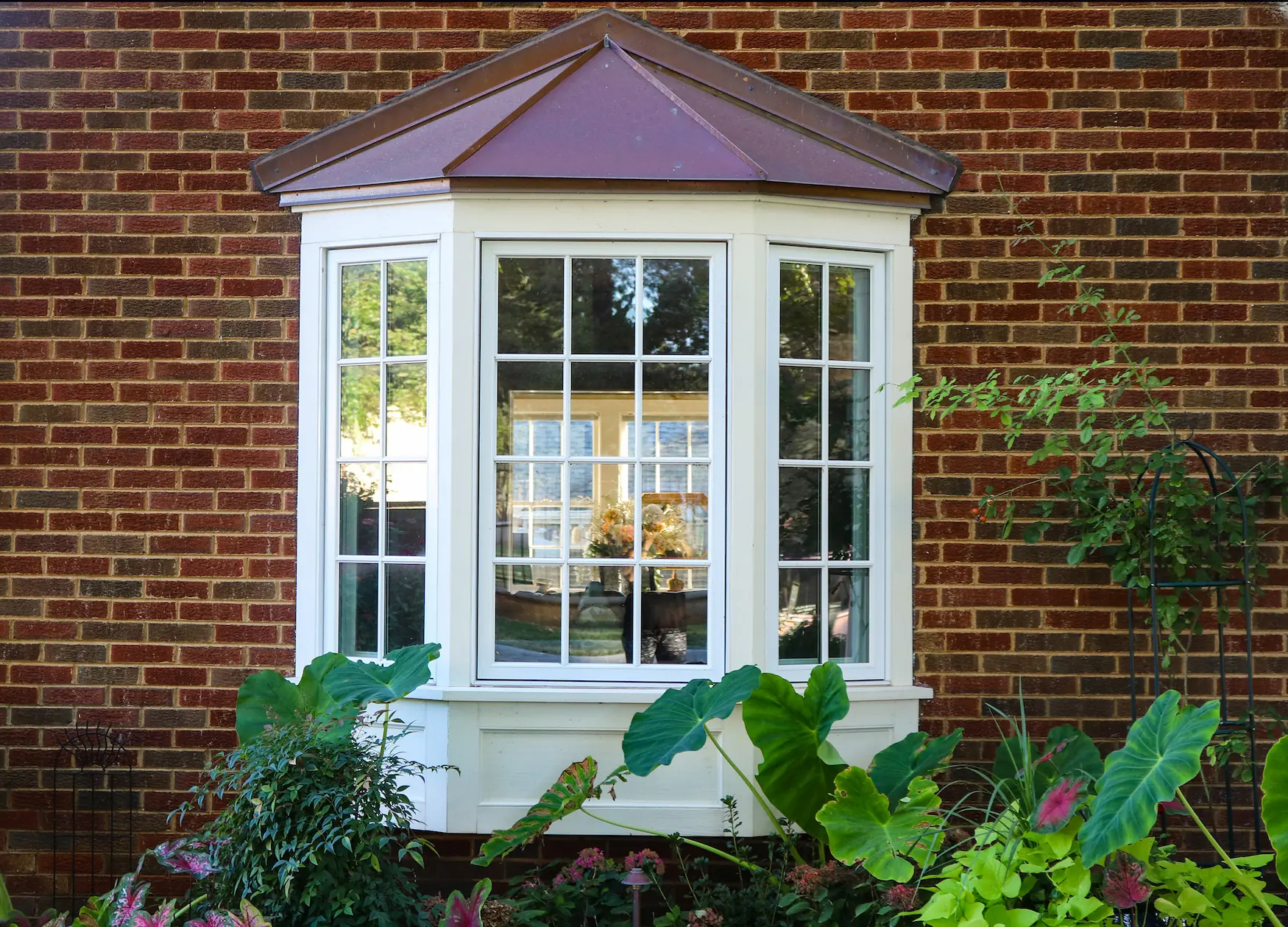
– Bay and Bow Windows
Choosing the right windows depends on your property’s appearance, your budget and your individual requirements. Our team can help you explore the available styles and find a suitable solution for your home.
Get in touch with Niddal Windows to discuss your options and request a quote.
Improve Insulation Throughout Your Property
Windows aren’t the only areas responsible for heat loss. Poor insulation elsewhere in your property can also make it harder to maintain a comfortable indoor temperature.
Since heat naturally rises, loft insulation is particularly important. If your loft insulation is insufficient or outdated, upgrading it could help prevent warmth from escaping through the roof.
Depending on your property’s construction, wall and floor insulation may also provide additional benefits.
Don’t forget to inspect less obvious areas, including external doors, letterboxes, loft hatches and gaps around pipes. Small openings can allow cold air to enter, so appropriate draught-proofing and sealing can help improve comfort.
However, take care not to block essential ventilation openings, as good airflow remains important for a healthy indoor environment.
Maintain Good Ventilation During Winter
Keeping windows closed throughout winter might seem like the best way to retain heat, but adequate ventilation is just as important.
Everyday activities such as cooking, showering and drying clothes indoors release moisture into the air. Without sufficient ventilation, this moisture can accumulate and increase the likelihood of condensation and mould.
Opening windows for short periods can help remove damp air and improve indoor air quality without significantly cooling your entire home. Extractor fans should also be used in kitchens and bathrooms to help control excess moisture.
Tilt and turn windows can be particularly useful during colder months, allowing you to introduce fresh air while maintaining greater control over ventilation.
Finding the right balance between retaining warmth and allowing fresh air into your property will help create a healthier and more comfortable living environment.
Make Your Home Winter-Ready With Niddal Windows
Keeping your home warm during winter doesn’t have to mean constantly turning up the heating. Addressing draughts, improving insulation and making better use of your heating system can all help reduce heat loss.
If your existing windows are difficult to operate, allow draughts or have condensation between the panes, replacing them could be an effective way to improve comfort and enhance your property.
At Niddal Windows, we offer a range of high-quality uPVC, aluminium and timber windows designed to complement different homes and architectural styles.
Explore our window collection and contact our friendly team to discuss your requirements or request a quote to find out how we can help make your home more comfortable this winter.